Why Publishers Give Away the First Chapter
The excerpt is one of the oldest selling tools in publishing. Magazines paid for them, newspapers ran them, and now every online store hands you the opening for free.
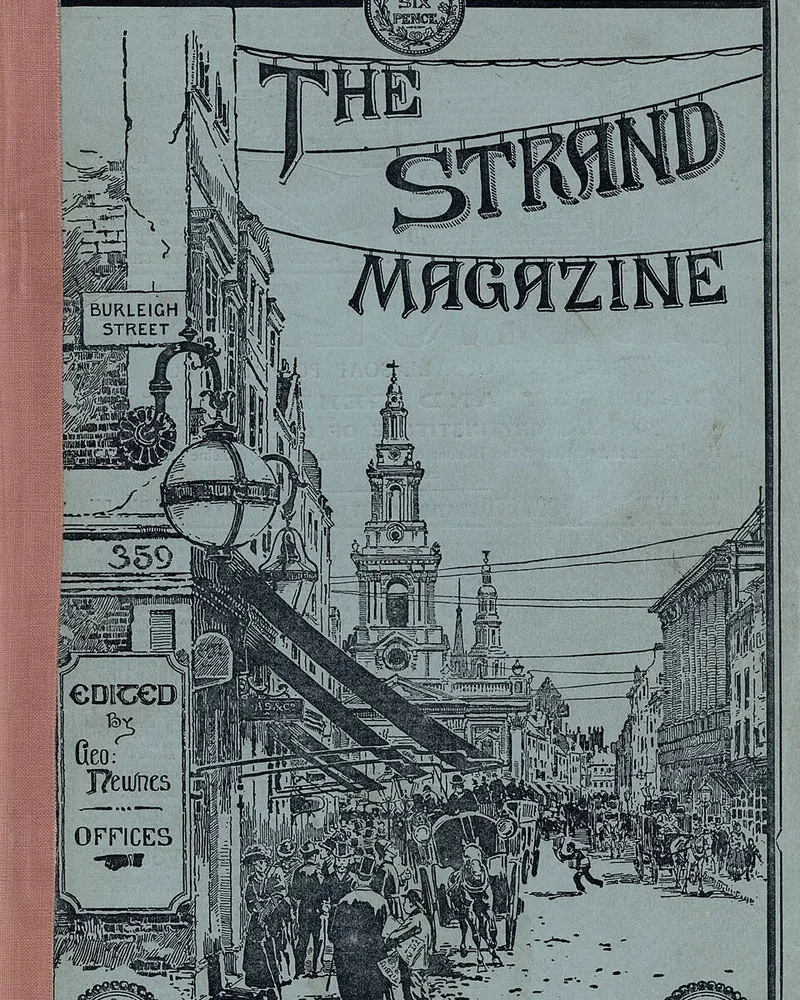
Publishers have always had the same problem. The only way to know if you want a book is to read some of it, and the only way to read it is to buy it. The excerpt is how the trade gets around that, and it is older than the novel as most people know it.
01Serials and first serial rights
In the nineteenth century a lot of fiction reached readers in pieces first. Dickens published most of his novels in monthly parts, and magazines on both sides of the Atlantic ran novels in installments before they came out as books. Readers met the story in a magazine and bought the book later, or never.
That arrangement left behind a piece of contract language every author still sees. First serial rights are the right to print part of a book in a magazine or newspaper before it is published. Second serial rights cover printing after publication. For a long time first serial sales to big magazines were worth real money, and for some books they still are.
An excerpt is a sample that the reader doesn't have to ask for.
02Why a magazine would pay for it
A strong excerpt from a famous name sells copies of the magazine, and it gives the book a big audience weeks before it hits shops. For celebrity memoirs and sports books especially, a chapter in a national magazine was the launch. The publisher got publicity and money at the same time.
03What changed online
Amazon added Search Inside the Book in 2003, which let shoppers read pages before buying, and ebook stores made the free sample standard. Now almost every new book has its first chapter available to anyone who clicks. That is the excerpt with the magazine taken out.
- The free sample is now the default way readers try a book.
- Magazine excerpts still matter for big nonfiction and memoir, where a news hook can sell the book.
- Newsletters and author sites run excerpts to keep readers waiting for the next one.
Audiobooks have their own version, a free sample of the first few minutes, and many authors now post the opening chapter on their own site or newsletter weeks before release. The idea is the same as it was in 1890. Get people reading, and some of them will want the rest.
04Which chapter to give away
It isn’t always the first one. A memoir excerpt is usually the chapter with the news in it, the scandal or the big game or the famous name. A novel almost always gives away the opening, because a novel lives or dies on whether the first pages make you want the next ones. If they don’t, no other chapter will save it.
A wrong name, title or year in Why Publishers Give Away the First Chapter can be reported through the contact page, where corrections get read first.
Sources: Wikipedia
Where the facts in Why Publishers Give Away the First Chapter come from
Questions and answers
Why do publishers give away the first chapter of a book?
Publishers give away a book's first chapter because readers can only know if they want a book by reading some of it. The free excerpt solves that, and the online sample is the old magazine excerpt without the magazine.
What are first serial rights?
First serial rights let a magazine or newspaper print part of a book before the book's publication. Second serial rights cover excerpts printed afterward. The terms date from nineteenth century serialization of novels and still appear in author contracts.
When did Amazon start letting readers look inside books?
Amazon introduced Search Inside the Book in 2003, letting shoppers read pages before buying a book. Ebook stores then made the free first chapter sample standard, and audiobooks now offer a free opening of a few minutes.
Which chapter of a book gets used as an excerpt?
Novels nearly always excerpt their opening chapter, because a novel depends on whether its first pages pull you forward. A memoir excerpt usually picks the chapter with the news in it, such as a scandal, a big game or a famous name.
The Saturday Letter